
Seedream AI

Workflow gallery

Explore seedream examples free for real creative work

See how seedream examples free can fit into familiar creative pipelines, from a rough visual idea to a more deliberate image brief and usable final direction.

Continue to Seedream
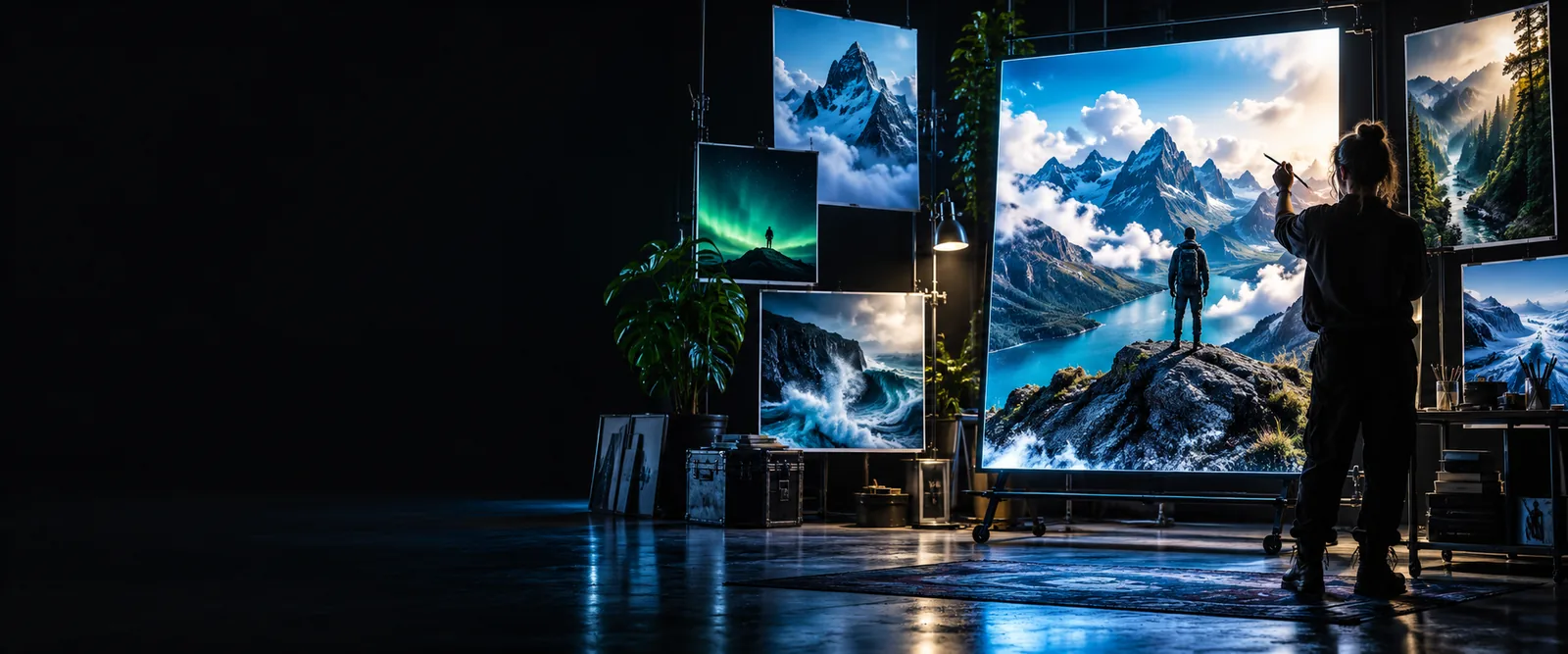
A polished generated image showing a vivid creative scene

the audience's existing pipeline

Most image projects already have a sequence: collect a reference, define the visual goal, create a draft, then revise it for the intended use. Seedream fits best when it supports that sequence rather than replacing the thinking behind it.

  1. 1

    Start with the brief

    Write down the subject, setting, mood, composition, audience, and any reference details that should remain consistent.

  2. 2

    Generate a visual direction

    Turn the brief into a focused image prompt and use the first result to test whether the idea works visually.

  3. 3

    Review and refine

    Compare the image with the original goal, then adjust the subject, framing, lighting, materials, or tone before selecting a direction.

  4. 4

    Prepare the handoff

    Keep the strongest result with its approved description so a designer, editor, or client can understand the intended outcome.

where we slot in

This comparison separates the work that happens before generation from the visual iteration that Seedream can support. The aim is not to skip the brief; it is to make the brief easier to inspect.

Before generation
With Seedream in the loop

Starting point

Before generation

A written idea, reference image, mood board, or rough sketch

With Seedream in the loop

The same idea translated into a visual prompt and initial image

Main question

Before generation

What should the image communicate?

With Seedream in the loop

Does the generated direction communicate it clearly?

Iteration

Before generation

Revise words, references, or layout assumptions

With Seedream in the loop

Adjust visual details such as framing, lighting, setting, or style

Review audience

Before generation

Creative lead, designer, client, or project owner

With Seedream in the loop

The same reviewers can react to a concrete visual direction

Useful output

Before generation

A brief that explains the intended image

With Seedream in the loop

A visual reference that makes the intended image easier to discuss

Best handoff

Before generation

Context, constraints, and acceptance criteria

With Seedream in the loop

The selected image direction together with its brief and revision notes

before/after

A before-and-after view makes the value of visual iteration easier to judge: the initial idea stays visible, while the refined direction gives collaborators something concrete to discuss.

An early image concept with a simple scene description Initial concept
A refined generated image presented as a finished visual direction Refined direction
The strongest result is not always the first render; it is the version that best answers the brief.

deliverable spec

Different teams need different levels of finish. These examples show what to bring into the workflow and what a useful result should help you communicate.

Brand and marketing teams

Test a campaign concept before committing to a full photo brief, including the scene, audience, product context, and desired tone.

A visual direction that helps the team compare campaign ideas and align on the look before production planning.

seedream prompt example

Designers and art directors

Turn a loose reference board into several compositions with explicit subject, camera, lighting, material, and palette cues.

A faster way to discuss composition and art direction with stakeholders who respond better to images than abstract descriptions.

seedream image generator

Content creators

Develop a thumbnail, editorial illustration, social visual, or atmospheric scene from a short written concept and a defined audience.

A repeatable visual starting point that can be reviewed, refined, and adapted to the surrounding content plan.

seedream online

Product and experience teams

Explore a new environment, interface mood, product moment, or launch story before detailed production assets are available.

A shared visual reference for testing direction, collecting feedback, and deciding which concept deserves further development.

seedream 4.5 realism prompt

Turn one image idea into a clearer direction

Bring your subject, setting, and visual intent into the next step. Seedream can help you create a concrete reference for review, comparison, and refinement.

Create an image
  • Begin with a specific scene or concept
  • Use the first result to guide revisions
  • Keep the selected direction aligned with the brief

scenario FAQ

These answers address common questions around using examples as a practical starting point for image-generation work.

They are useful as visual references for planning scenes, testing creative directions, and explaining an idea to collaborators. Treat each example as a starting point for review and refinement, not as a guarantee that every project will need the same process.

Identify the parts that matter to your project, such as subject, composition, lighting, setting, or mood. Then rewrite those details around your own brief instead of copying an example without checking whether it fits the intended audience and use.

No. An example can make the visual direction easier to discuss, but the brief still needs to define the purpose, audience, constraints, and approval criteria. Keeping both together helps reviewers judge the image against the actual project goal.

A useful example gives the team something specific to react to and is paired with enough context to explain why it was selected. Record the key prompt ideas, the desired outcome, and any changes needed so the next iteration remains connected to the original brief.

Create images
Create images